Deutsch
 Nederlands
 Русский
 Türkçe

A Comprehensive Guide To Composite Fillings
What Are Composite Fillings?
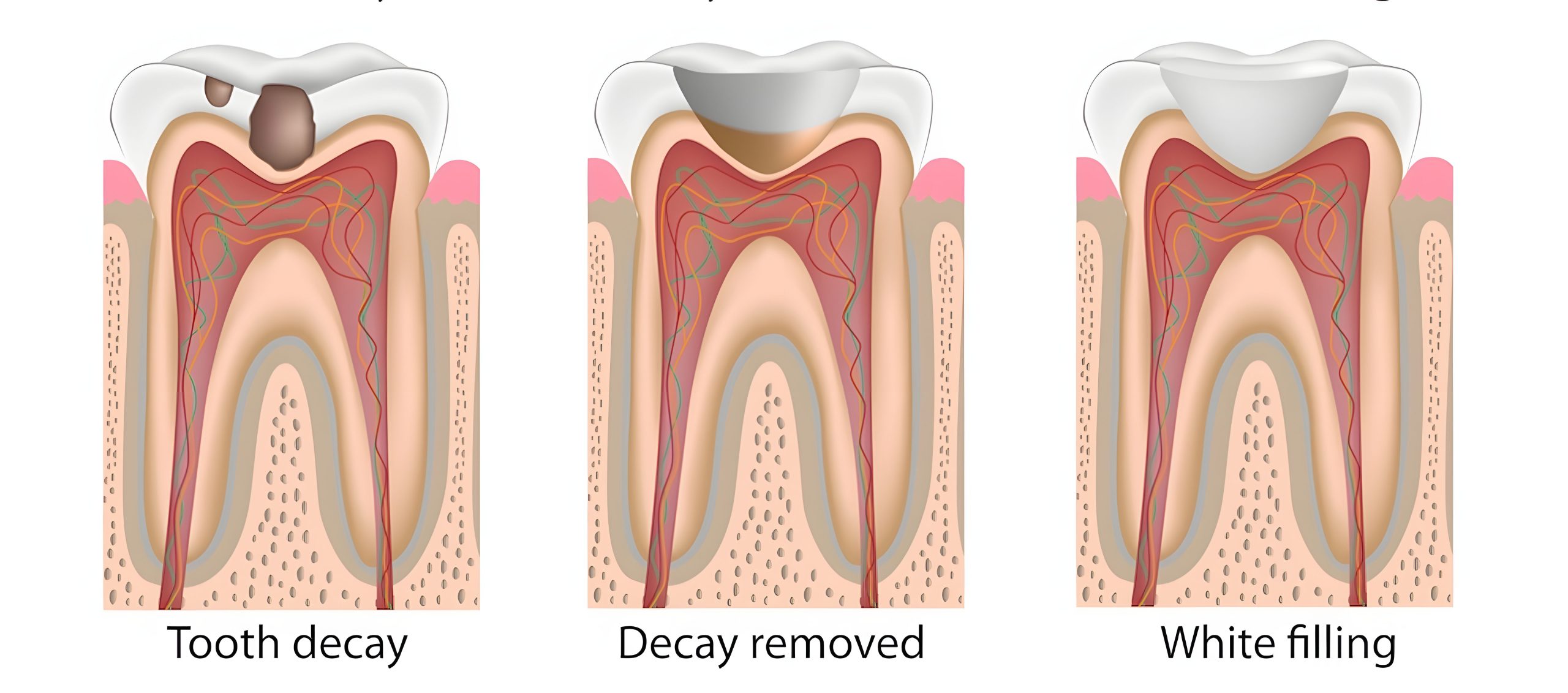
Composite fillings are a type of dental filling material made from a mixture of resin, plastic and glass-based particles. They may be used to repair teeth that have been affected by decay, cracks or fractures. Composite fillings are tooth-coloured, so they can blend with the natural colour of the teeth, making them an aesthetic restorative option in suitable cases.

Features of Composite Fillings
Composite fillings have several features compared with traditional silver amalgam fillings. They can be matched to the colour of the natural teeth, which may support a more natural appearance. In some cases, they may require less removal of healthy tooth structure during placement, helping to preserve more of the natural tooth. Composite fillings may also respond differently to temperature changes compared with silver amalgam fillings.
Types of Composite Fillings
Direct
Direct composite fillings are applied in a single visit to your dentist and cured on the spot using a special light.
Indirect
Indirect composite fillings are fabricated in a dental laboratory and then bonded to your tooth during a follow-up appointment. They may be used for larger fillings or for selected restorative and cosmetic needs, depending on clinical suitability.
Procedure for Composite Fillings
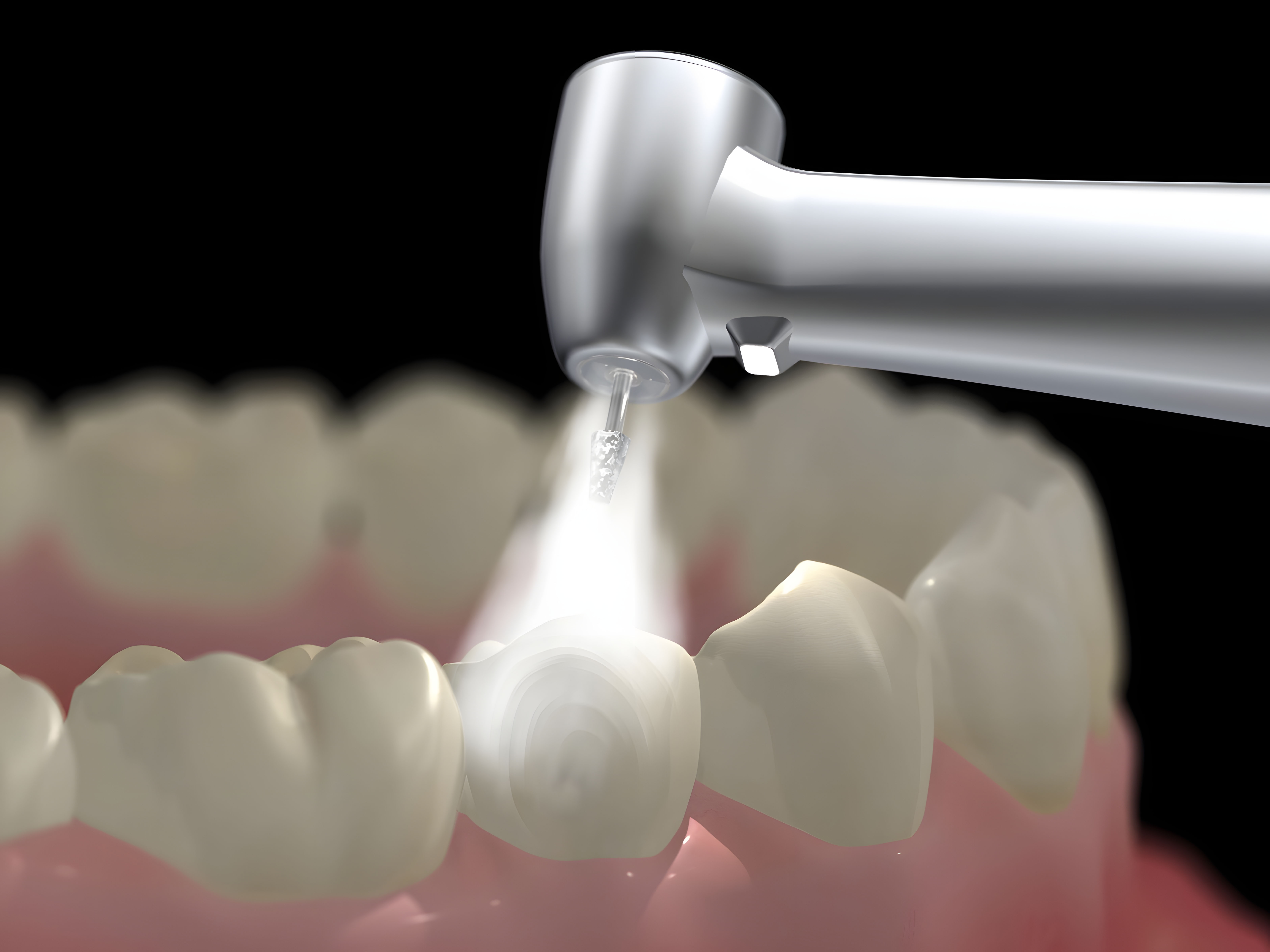
The procedure for placing composite fillings is similar to that of traditional silver amalgam fillings. First, your dentist will remove the decayed or damaged part of the tooth. Then, an adhesive material is applied to the tooth and the composite filling material is placed in layers. Each layer is cured with a special light before the next layer is applied. Finally, the filling is shaped and polished to match the natural contours of your tooth.
Aftercare for Composite Fillings
After getting a composite filling, you may experience some sensitivity to hot or cold temperatures for a few days. Your dentist may recommend using a desensitizing toothpaste or mouthwash to help manage this sensitivity. It is also important to maintain good oral hygiene by brushing and flossing regularly to help reduce the risk of future decay.
Conclusion
In conclusion, composite fillings are a commonly used option for selected dental restorations. They may offer aesthetic advantages and may help preserve healthy tooth structure in suitable cases. Like all dental materials, they also have limitations, and suitability should be assessed individually. If you are considering a composite filling, it is important to consult your dentist to determine whether it is appropriate for your clinical needs.
COMPOSITE FILLING BRANDS WE USE